In the fast-paced world of commercial real estate, unexpected emergencies can arise at any moment, and a damaged roof is one of the most critical issues that building owners and managers may face. A compromised roof not only jeopardizes the safety and well-being of occupants but also disrupts business operations, leading to downtime, lost revenue, and potential damage to valuable assets. In this blog post, we will explore the importance of emergency roofing repairs for commercial properties and provide actionable strategies to minimize downtime and mitigate the impact of roof-related emergencies.
Understanding the Importance of Emergency Roofing Repairs:
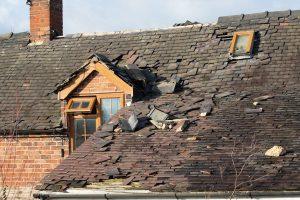
The roof is a commercial property’s first line of defence against the elements, protecting the building and its occupants from rain, wind, snow, and extreme temperatures. When a roof is damaged or compromised, it can lead to leaks, structural issues, and other safety hazards that pose a significant risk to occupants and assets. In addition to the immediate safety concerns, a damaged roof can also result in costly repairs, extensive property damage, and disruptions to business operations if not addressed promptly.
Key Strategies to Minimize Downtime:
- Implement a Comprehensive Maintenance Program: The best way to minimize the risk of roof-related emergencies is to implement a proactive maintenance program that includes regular inspections, routine maintenance, and timely repairs. By identifying and addressing potential issues before they escalate, building owners can prevent small problems from turning into major emergencies and minimize downtime in the long run.
- Partner with a Trusted Roofing Contractor: Building owners should establish a relationship with a trusted roofing contractor who specializes in commercial roofing and offers emergency repair services. A reliable contractor will have the expertise, resources, and capabilities to respond quickly to roof-related emergencies and perform high-quality repairs that restore the integrity of the roof and minimize downtime for the property.
- Develop an Emergency Response Plan: Building owners and managers should develop a comprehensive emergency response plan that outlines the steps to take in the event of a roof-related emergency. This plan should include contact information for the roofing contractor, procedures for assessing and documenting the damage, and protocols for ensuring the safety of occupants and employees during the repair process.
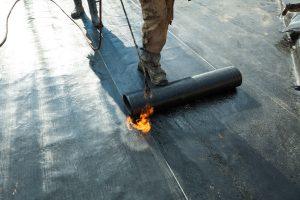
- Invest in Roofing Materials and Systems Designed for Durability: When installing or replacing a commercial roof, building owners should invest in high-quality roofing materials and systems that are designed for durability and longevity. Durable roofing materials, such as single-ply membranes, modified bitumen, and metal roofing, offer superior resistance to weathering, UV exposure, and other environmental stresses, reducing the likelihood of roof-related emergencies and minimizing downtime for the property.
- Monitor Weather Conditions and Prepare for Potential Hazards: Building owners should monitor weather conditions closely and prepare for potential hazards, such as severe storms, high winds, and heavy rainfall, that could damage the roof. Taking proactive measures, such as trimming overhanging branches, securing loose materials, and inspecting drainage systems, can help mitigate the risk of roof-related emergencies and minimize downtime for the property.
- Communicate Effectively with Tenants and Stakeholders: Effective communication is key to minimizing downtime and managing expectations during roof-related emergencies. Building owners should communicate openly and transparently with tenants, employees, and other stakeholders about the situation, the steps being taken to address the issue, and any impacts on business operations or access to the property. Keeping stakeholders informed and involved throughout the repair process can help maintain trust and minimize disruptions.
Conclusion:
Emergency roofing repairs are a critical aspect of commercial property management, requiring prompt action and effective planning to minimize downtime and mitigate the impact of roof-related emergencies. By implementing a proactive maintenance program, partnering with a trusted roofing contractor, developing an emergency response plan, investing in durable roofing materials, monitoring weather conditions, and communicating effectively with stakeholders, building owners can ensure that their properties are well-prepared to handle roof-related emergencies and recover quickly with minimal disruption to business operations.